២២ មិថុនា ២០២៦ / 22 June 2026
ទោះបីជាប្រាក់បញ្ញើពីក្រៅប្រទេសត្រូវបានគេកោតសរសើរយ៉ាងទូលំទូលាយថាជាកត្តាជំរុញកំណើនសេដ្ឋកិច្ច និងបរិយាប័ន្នហិរញ្ញវត្ថុក៏ដោយ ប៉ុន្តែវាក៏អាចត្រូវបានគេប្រើប្រាស់ជាអាវុធ ដើម្បីអនុវត្តការគាបសង្កត់ឆ្លងដែន និងជំរុញឱ្យមានការផ្តល់កម្ចីដែលមានចរិតកេងប្រវ័ញ្ចផងដែរ។ យោងតាមលោក David R. Whitehouse ការយល់ដឹងពីធម្មជាតិនៃស្ថាប័ននានានៅក្នុងប្រទេសកំពុងអភិវឌ្ឍន៍គឺជារឿងចាំបាច់ ដោយសារប្រទេសដែលខ្វះស្ថាប័នឯករាជ្យតែងតែកេងប្រវ័ញ្ចលើមូលនិធិទាំងនេះ។
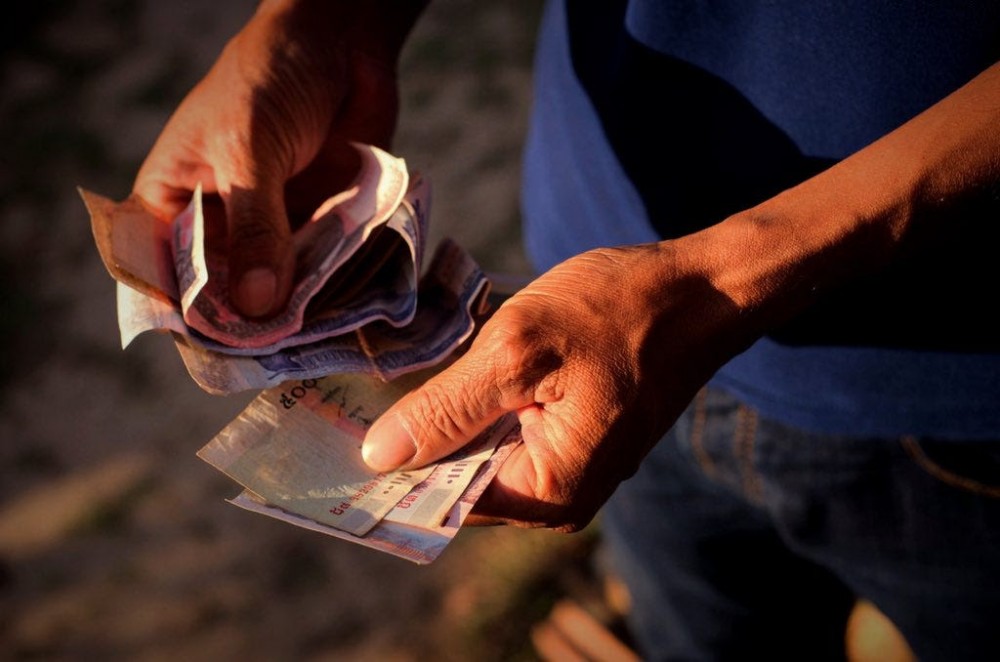
Image: IOM Cambodia via X.
ពន្ធលើអនិកជន និងទ្រព្យបញ្ចាំមីក្រូហិរញ្ញវត្ថុ
ដេវីដ អ័រ. វ៉ាយហោស៍ (David R. Whitehouse)
ថ្ងៃទី ២២ មិថុនា
ប្រាក់បញ្ញើពីក្រៅប្រទេស គឺជារូបភាពតំណាងឱ្យការអភិវឌ្ឍ។ គេតែងតែលើកឡើងថា ប្រាក់ដែលផ្ញើត្រឡប់មកប្រទេសក្រីក្រវិញពីសំណាក់អនិកជននៅប្រទេសអ្នកមាន អាចដើរតួនាទីយ៉ាងសំខាន់ក្នុងបរិយាប័ន្នហិរញ្ញវត្ថុ និងកំណើនសេដ្ឋកិច្ច។
អ្នកផ្តល់សេវាផ្ទេរប្រាក់ មានកម្លាំងជំរុញយ៉ាងច្បាស់លាស់ក្នុងការនិយាយលើកតម្កើងពីអត្ថប្រយោជន៍ទាំងនេះ។ វាជាការរៀបរាប់មួយដែលកម្រមានអ្នកតវ៉ា។ ប៉ុន្តែផ្នែកម្ខាងទៀតនៃកាក់នេះ គឺថាប្រាក់បញ្ញើអាចជាឧបករណ៍សម្រាប់ការគាបសង្កត់ឆ្លងដែន និងជាទម្រង់នៃទ្រព្យបញ្ចាំដែលនៅពីក្រោយការផ្តល់កម្ចីមីក្រូហិរញ្ញវត្ថុដ៏លើសលុបនៅក្នុងប្រទេសក្រីក្រ។
ដូចទៅនឹងវិស័យអភិវឌ្ឍន៍ដទៃទៀតដែរ ការយល់ដឹងពីធម្មជាតិនៃស្ថាប័ននានានៅក្នុងប្រទេសកំពុងអភិវឌ្ឍន៍គឺជារឿងចាំបាច់។
ប្រទេសអេរីទ្រា កម្ពុជា និងមីយ៉ាន់ម៉ា ក្នុងទសវត្សរ៍ឆ្នាំ១៩៩០ សុទ្ធតែមានពេលវេលានៃសុទិដ្ឋិនិយមថាអនាគតប្រជាធិបតេយ្យអាចនឹងកើតមានឡើង។ ប៉ុន្តែក្តីសង្ឃឹមទាំងនោះមិនបានក្លាយជាការពិតនោះទេ។ សព្វថ្ងៃនេះ ប្រទេសទាំងនេះសុទ្ធតែមានរដ្ឋាភិបាលគាបសង្កត់ និងខ្វះស្ថាប័នឯករាជ្យ។
ប្រទេសអេរីទ្រាប្រមូលពន្ធលើអនិកជនចំនួន ២% ពីប្រជាពលរដ្ឋខ្លួនដែលរស់នៅគ្រប់ទីកន្លែងក្នុងពិភពលោក។ ពន្ធនេះត្រូវបានដាក់ឲ្យប្រើប្រាស់ដោយរដ្ឋសភាក្នុងឆ្នាំ១៩៩៤ ហើយត្រូវបានស្វាគមន៍យ៉ាងទូលំទូលាយនៅពេលនោះ ក្នុងនាមជាមធ្យោបាយដើម្បីជួយកសាងប្រទេសឡើងវិញ ដែលទើបតែទទួលបានឯករាជ្យពីប្រទេសអេត្យូពី បន្ទាប់ពីសង្គ្រាមអស់ជាច្រើនទសវត្សរ៍។
ការពិតបានប្រែក្លាយទៅជាខុសគ្នាទាំងស្រុង។ អង្គការសហប្រជាជាតិបានរកឃើញក្នុងឆ្នាំ២០១១ ថាការជំរិតទារប្រាក់ ការគំរាមប្រើអំពើហិង្សា ការក្លែងបន្លំ និងមធ្យោបាយខុសច្បាប់ផ្សេងៗទៀត ត្រូវបានប្រើប្រាស់ដើម្បីប្រមូលពន្ធនេះ [1]។ ពលរដ្ឋដែលមិនបង់ពន្ធ មិនអាចលក់អចលនទ្រព្យនៅអេរីទ្រា ឬត្រឡប់មកលេងស្រុកវិញបានទេ។ ពួកគេប្រឈមនឹងការទាមទារឱ្យបង់ប្រាក់សងវិញយ៉ាងច្រើនសន្ធឹកសន្ធាប់ ប្រសិនបើពួកគេត្រូវការសេវាកម្មណាមួយពីរដ្ឋាភិបាល [2]។
ក្រុមឈ្មោះ Eritrea Focus បានលើកឡើងនៅក្នុងរបាយការណ៍ដែលដាក់ជូនគណៈកម្មាធិការរតនាគារចក្រភពអង់គ្លេស ស្តីពីការស៊ើបអង្កេតការគាបសង្កត់ឆ្លងដែននៅខែកុម្ភៈ ឆ្នាំ២០២៥ ថាសូម្បីតែម្តាយទោល ក៏ត្រូវបង់ពន្ធកាត់ពីប្រាក់ជំនួយសុខុមាលភាពរបស់ពួកគេផងដែរ [3]។ ប្រទេសអេរីទ្រាមិនមានសន្ធិសញ្ញាយោគយល់គ្នាលើការយកពន្ធត្រួតគ្នាជាមួយចក្រភពអង់គ្លេស ឬប្រទេសណាមួយផ្សេងទៀតឡើយ។
សហរដ្ឋអាមេរិកបានដើរតួនាទីដោយប្រយោលក្នុងដំណើរការនៃប្រព័ន្ធរបស់អេរីទ្រា។ ប្រជាពលរដ្ឋអាមេរិក ទោះបីជាពួកគេកើតនៅក្រៅប្រទេស ហើយមិនធ្លាប់រស់នៅទីនោះក៏ដោយ ក៏ត្រូវបង់ពន្ធលើប្រាក់ចំណូលរបស់អាមេរិកដែរ។ ដូច្នេះ អេរីទ្រាបានយកលេសពីការពិតនេះ ដើម្បីរាប់រងភាពត្រឹមត្រូវនៃពន្ធអនិកជនរបស់ខ្លួន ដោយអះអាងថាសហរដ្ឋអាមេរិកក៏ធ្វើដូចគ្នាដែរ។
ក្រុម Eritrea Focus បានអំពាវនាវឱ្យរដ្ឋាភិបាលអង់គ្លេសស៊ើបអង្កេតលើការប្រមូលពន្ធនេះ ដើម្បីកំណត់ថាតើវាស្របច្បាប់ដែរឬទេ និងថាតើសិទ្ធិមនុស្សកំពុងត្រូវបានរំលោភបំពានដែរឬយ៉ាងណា។
ករណីសេដ្ឋកិច្ចសុទ្ធសាធសម្រាប់ប្រាក់បញ្ញើពីក្រៅប្រទេស គឺមិនសូវច្បាស់លាស់ដូចមនុស្សជាច្រើនសន្មត់នោះទេ។ លោក Lee Chin មកពីសាកលវិទ្យាល័យ Universiti Putra Malaysia បានពិនិត្យលើប្រាក់បញ្ញើពីក្រៅប្រទេសនៅក្នុងប្រទេសអាស៊ីដែលមានចំណូលទាប និងមធ្យមចំនួន ២៥ ចន្លោះឆ្នាំ១៩៩៥ ដល់ ២០១៩។ លទ្ធផលនៃការរកឃើញនេះត្រូវបានចេញផ្សាយក្នុងជំពូកសៀវភៅមួយក្នុងឆ្នាំ២០២១ [4]។
លោក Lee Chin បានរកឃើញថា ឥទ្ធិពលនៃប្រាក់បញ្ញើពីក្រៅប្រទេសមកលើការកាត់បន្ថយភាពក្រីក្រ ជាមធ្យមមានភាពវិជ្ជមាននៅដំណាក់កាលដំបូង ប៉ុន្តែបានក្លាយជាអវិជ្ជមាននៅពេលដែលឆ្លងកាត់កម្រិត ៨% នៃផលិតផលក្នុងស្រុកសរុប (GDP)។ ដូច្នេះ ប្រាក់បញ្ញើពីក្រៅប្រទេសអាចមានប្រយោជន៍នៅដំណាក់កាលដំបូងនៃការអភិវឌ្ឍន៍សេដ្ឋកិច្ច ប៉ុន្តែការពឹងផ្អែកខ្លាំងពេកទៅលើវា បង្កើតឱ្យមានហានិភ័យនៅពេលក្រោយ។
ប្រទេសមីយ៉ាន់ម៉ា បានចម្លងតាមយុទ្ធសាស្ត្ររបស់អេរីទ្រា។ សារព័ត៌មាន Bloomberg បានរាយការណ៍កាលពីខែឧសភាថា របបយោធានៃប្រទេសនេះបានប្រែក្លាយប្រាក់បញ្ញើរបស់ពលករចំណាកស្រុក ទៅជាប្រភពចំណូលបរទេសដ៏ធំបំផុតរបស់ខ្លួន [5]។ សារព័ត៌មាននេះបានបញ្ជាក់ថា ប្រាក់បញ្ញើរបស់កម្មករមានទំហំ ៥,៦ ពាន់លានដុល្លារក្នុងឆ្នាំ២០២៥ ឬប្រហែល ៣៨% នៃលំហូរចូលពីបរទេសទាំងអស់។
ច្បាប់ដែលបានដាក់ឱ្យប្រើប្រាស់ក្នុងឆ្នាំ២០២៤ តម្រូវឱ្យពលករចំណាកស្រុកផ្ញើប្រាក់ចំណូលរបស់ពួកគេចំនួន ២៥% តាមរយៈប្រព័ន្ធធនាគារផ្លូវការ។ បើពុំនោះទេ ការបន្តសុពលភាពលិខិតឆ្លងដែន និងសិទ្ធិធ្វើការនៅក្រៅប្រទេសនឹងប្រឈមនឹងហានិភ័យ។ ប្រាក់ទាំងនេះបានផ្តល់ជាប្រភពដង្ហើមសង្គ្រោះដល់ធនាគាររបស់របបយោធា ដែលកំពុងស្ថិតក្រោមទណ្ឌកម្មអន្តរជាតិចាប់តាំងពីរដ្ឋប្រហារឆ្នាំ២០២១មក។
កម្ពុជា ដោយសារតែរបបប្រល័យពូជសាសន៍ខ្មែរក្រហមពីឆ្នាំ១៩៧៥ ដល់ ១៩៧៩ មានចំនួនអនិកជនច្រើនខុសពីធម្មតា បើធៀបនឹងចំនួនប្រជាជនរបស់ខ្លួនដែលមានត្រឹមតែ ១៨ លាននាក់។ គិតត្រឹមខែមីនា ឆ្នាំ២០២៤ មានពលករកម្ពុជាចំនួន ១,៣ លាននាក់បម្រើការងារនៅប្រទេសថៃ កូរ៉េខាងត្បូង និងជប៉ុន ដែលភាគច្រើនលើសលប់គឺនៅប្រទេសថៃ [6]។ លើសពីនេះ ក៏មានអនិកជនចំនួនដ៏ច្រើនសន្ធឹកសន្ធាប់ផងដែរនៅសហរដ្ឋអាមេរិក អូស្ត្រាលី និងបារាំង។
ការប្រឆាំងនឹងរបបផ្តាច់ការរបស់ត្រកូល ហ៊ុន បច្ចុប្បន្ន មិនមែនមានការឯកភាពគ្នាទាំងស្រុងក្នុងចំណោមអនិកជននោះទេ ប៉ុន្តែវាពិតជាមានការរីករាលដាលយ៉ាងទូលំទូលាយ។ កត្តាទាំងនេះពន្យល់ពីមូលហេតុដែលការពិត ការយកពន្ធលើអនិកជនមិនអាចអនុវត្តទៅរួច ទោះបីជាការពិតកម្ពុជាត្រូវបានទទួលស្គាល់ថាជាអ្នកប្រព្រឹត្តការគាបសង្កត់ឆ្លងដែនឈានមុខគេក៏ដោយ។
ផ្ទុយទៅវិញ ប្រាក់បញ្ញើពីក្រៅប្រទេសបានជួយជំរុញកំណើនយ៉ាងគំហុកនៃវិស័យមីក្រូហិរញ្ញវត្ថុក្នុងប្រទេស។ ការស្រាវជ្រាវរបស់លោក Vincent Guermond និងសហការី នៅឆ្នាំនេះបានរកឃើញថា យុទ្ធសាស្ត្រផ្តល់ប្រាក់កម្ចីរបស់គ្រឹះស្ថានមីក្រូហិរញ្ញវត្ថុ និងធនាគារកម្ពុជា បានគិតគូរទៅលើប្រាក់បញ្ញើពីក្រៅប្រទេសដែលគ្រួសារនៅជនបទទទួលបានពីកូនៗពេញវ័យរបស់ពួកគេដែលនៅក្រៅប្រទេស [8]។ បំណុលមីក្រូហិរញ្ញវត្ថុរបស់កម្ពុជា ស្ថិតក្នុងចំណោមបំណុលធំបំផុតនៅលើពិភពលោក បើគិតជាមធ្យមសម្រាប់មនុស្សម្នាក់ៗ។
អ្នកស្រាវជ្រាវទាំងនោះបានសរសេរថា ប្រាក់បញ្ញើពីក្រៅប្រទេស ដើរតួជាទម្រង់នៃ "ទ្រព្យបញ្ចាំឆ្លងដែន" ដែលអាចប្រៀបធៀបទៅនឹងទ្រព្យបញ្ចាំសង្គមនៃប្រព័ន្ធមីក្រូហិរញ្ញវត្ថុចាស់ៗ ដែលសម្រេចបានតាមរយៈការផ្តល់ប្រាក់កម្ចីជាក្រុម។ នេះនាំមកនូវគ្រោះថ្នាក់យ៉ាងច្បាស់លាស់។ ម្ចាស់បំណុលស្ម័គ្រចិត្តផ្តល់ប្រាក់កម្ចីនៅកម្ពុជា ដោយសារតែទីនោះហើយជាកន្លែងដែលមានដីធ្លីគ្រួសារសម្រាប់ធ្វើជាទ្រព្យបញ្ចាំជាផ្លូវការ។
ប៉ុន្តែជាទូទៅ ម្ចាស់បំណុលមិនអាចវាយតម្លៃពីភាពប្រាកដប្រជានៃប្រាក់បញ្ញើដែលរកបាននៅក្រៅប្រទេស ជាពិសេសនៅប្រទេសថៃនោះទេ។ ការចាកចេញយ៉ាងគំហុកនៃពលករចំណាកស្រុកកម្ពុជាពីប្រទេសថៃ ដោយសារតែជម្លោះយោធារវាងប្រទេសទាំងពីរក្នុងឆ្នាំ២០២៥ បានធ្វើឱ្យចុះខ្សោយនូវសមត្ថភាពរបស់គ្រួសារជាច្រើនក្នុងការសងបំណុលរបស់ពួកគេ។
ក្រុមហ៊ុន Mekong Strategic Capital បានប៉ាន់ប្រមាណថា ប្រាក់កម្ចីប្រហែល ១២,៧ ពាន់លានដុល្លារនៅកម្ពុជា កំពុងហួសកាលកំណត់សងលើសពី ៣០ ថ្ងៃ ឬបានឆ្លងកាត់ការរៀបចំរចនាសម្ព័ន្ធឡើងវិញ ដែលស្មើនឹងប្រហែល ២០% នៃប្រាក់កម្ចីសរុបក្នុងប្រព័ន្ធហិរញ្ញវត្ថុកម្ពុជា និងប្រហែលមួយភាគបួននៃផលិតផលក្នុងស្រុកសរុប (GDP)។
មានមេរៀនកាន់តែទូលំទូលាយសម្រាប់អ្នកដែលគាំទ្រលើកស្ទួយប្រាក់បញ្ញើពីក្រៅប្រទេស។ លោក Guermond និងសហការីបានរកឃើញថា អន្តរាគមន៍អភិវឌ្ឍន៍អន្តរជាតិដែលក្នុងគោលបំណងទាញយកប្រយោជន៍ពីប្រាក់បញ្ញើពីក្រៅប្រទេសសម្រាប់បរិយាប័ន្នហិរញ្ញវត្ថុ "អាចចូលរួមចំណែកដល់ការពង្រីកនៃរបបបំណុល (មីក្រូហិរញ្ញវត្ថុ) ដែលកេងប្រវ័ញ្ចលើភាពងាយរងគ្រោះឆ្លងដែន"។ ប្រាក់បញ្ញើពីក្រៅប្រទេសអាចជាម៉ាស៊ីនជំរុញវឌ្ឍនភាព ប៉ុន្តែដល់ពេលដែលអ្នកគាំទ្រយ៉ាងក្លៀវក្លាទាំងឡាយ ត្រូវសម្លឹងមើលឱ្យកាន់តែច្បាស់ថាតើប្រាក់ទាំងនោះកំពុងហូរទៅទីណា ហើយហេតុអ្វី។
អត្ថបទដើមជាភាសាអង់គ្លេសដោយ David R. Whitehouse ៖
Diaspora taxes and microfinance collateral
David R. Whitehouse
Jun 22
Remittances are the poster child of development. Money sent back to poor countries from diasporas in richer ones, the argument goes, can play a key part in financial inclusion and economic growth.
Providers of remittance services have an obvious incentive in talking up the benefits. It’s a narrative that is seldom challenged. The flip side of the coin is that remittances can be a tool for transnational repression, and a form of collateral underpinning excessive microfinance lending in poor countries.
As in other areas of development, an understanding of the nature of the institutions in the developing country is essential.
Eritrea, Cambodia and Myanmar in the 1990s all had a moment of optimism that a democratic future was possible. The hopes did not become reality. Today, they each have repressive governments and lack independent institutions.
Eritrea collects a 2% diaspora tax from nationals living anywhere in the world. The tax was introduced by the national assembly in 1994, and was broadly welcomed at the time as a way to help rebuild the country, newly independent from Ethiopia, after decades of war.
The reality turned out quite differently. The United Nations found in 2011 that extortion, threats of violence, fraud and other illicit means were being used to collect the tax. Citizens who do not pay cannot sell property in Eritrea or go back to visit. They face demands for huge back payments if they need any kind of service from the government.
Even single mothers have to pay from their welfare benefits, the Eritrea Focus group said in a submission to the UK Treasury Committee inquiry into transnational repression in February 2025. [3] Eritrea has no double taxation treaty with the UK, or any other country.
The US plays an indirect role in the functioning of the Eritrean system. US citizens, even if they were born outside the country and have never lived there, have to pay US income tax. So Eritrea justifies its diaspora tax by arguing that the US does the same.
Eritrea Focus has called for a UK government inquiry into the collection of the tax to determine if it is legal and whether human rights are being infringed.
Economic benefits limited
The purely economic case for remittances is less clear-cut than many assume. Lee Chin of the Universiti Putra Malaysia examined remittances in 25 Asian low and middle-income countries between 1995 and 2019. The findings appeared in a book chapter in 2021.
The impact of remittances on poverty reduction, Lee Chin found, was on average initially positive, but became negative once the threshold of 8% of GDP was crossed. So remittances may be useful in the early stages of economic development, but over-dependence on them creates risks later on.
Myanmar has mirrored the Eritrean playbook. Bloomberg News reported in May that the country’s military junta has turned migrant remittances into its biggest source of foreign income. Worker remittances were worth $5.6 billion in 2025, or about 38% of all foreign inflows, Bloomberg said.
Rules introduced in 2024 oblige migrant workers to remit 25% of their income via official banking channels. Passport renewals and the right to work overseas are otherwise at risk. The money provides a lifeline for the junta’s banks under international sanctions since the coup of 2021.
‘Translocal collateral’
Cambodia, due to the genocidal Khmer Rouge regime from 1975 to 1979, has an unusally large diaspora relative to its population of just 18 million. As of March 2024, there were 1.3 million Cambodian workers employed in Thailand, South Korea, and Japan, the bulk of them in Thailand. [6] There are also sizeable diasporas in the US, Australia and France.
Opposition to the current Hun family dictatorship is not unanimous among the diaspora, but is clearly widespread. Those factors explain why a diaspora tax would be impractical, despite the fact that Cambodia is recognised as a leading perpetrator of transnational repression.
Remittances instead have helped to service the country’s microfinance boom. Research by Vincent Guermond et al this year found that lending strategies of Cambodian microfinance institutions and banks take into account the remittances received by rural households from adult children overseas. Cambodian microfinance debt is among the largest in the world in per head terms.
Remittances, the researchers write, serve as a form of “translocal collateral” comparable to the older microfinance social collateral achieved by group lending. This brings obvious dangers. The lenders are willing to make the loan in Cambodia because that is where the family land for formal collateral exists.
But the lenders usually cannot assess the predictability of the remittances earned abroad, mainly in Thailand. The mass exodus of Cambodian migrant workers from Thailand prompted by the military conflict between the two countries in 2025 has weakened the ability of many families to service their loans.
Mekong Strategic Capital has estimated that about $12.7 billion worth of Cambodian loans are either more than 30 days overdue or have undergone restructuring, representing around 20% of total loans in Cambodia’s financial system and about a quarter of GDP.
There are wider lessons for those who champion remittances. Guermond et al find that international development interventions aiming at harnessing remittances for financial inclusion “can contribute to the expansion of (microfinance) debt regimes that exploit translocal precarity.” Remittances can be a motor of progress, but it’s time for the cheerleaders to look more closely at where they are going and why.
 Khmer
Khmer English
 French